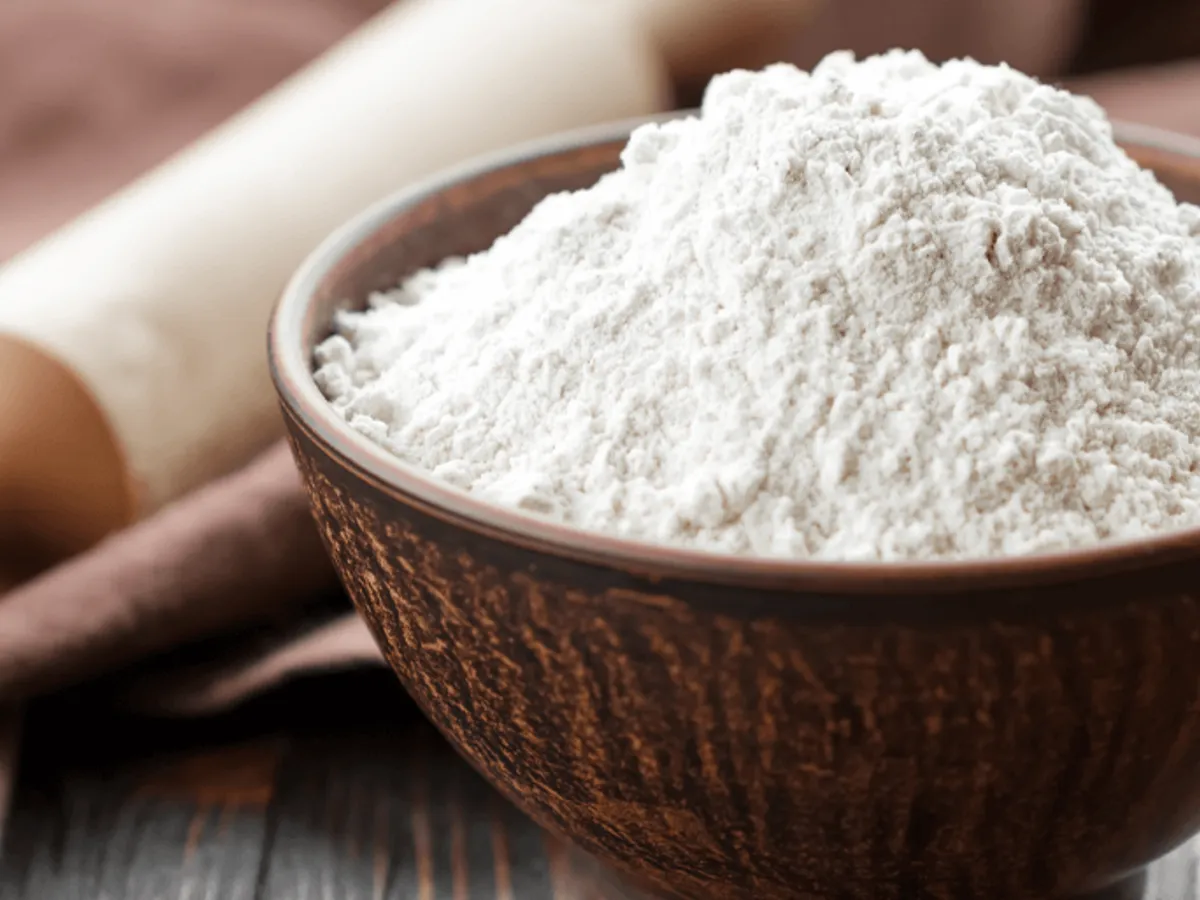
Understanding Flour Shelf Life in Canadian Climates
When it comes to ensuring the freshness of flour, understanding how Canadian climates impact its shelf life is essential. The varying humidity and temperature conditions across the country can significantly affect how long flour lasts and its quality, which in turn influences the outcomes of your baking endeavors.
Impact of Humidity and Dryness
According to the Canadian Grain Commission, Canada’s climate swings between humid and dry conditions, depending on the region and season. In coastal areas like Vancouver, higher humidity levels can lead to flour absorbing moisture, which accelerates the growth of mold and mildew. This makes it crucial for bakers to store flour in airtight containers to prevent moisture seepage. Conversely, in the dry climates of the Prairie provinces, such as Alberta and Saskatchewan, flour can lose its natural moisture content, leading to a shorter shelf life. To mitigate this, consider storing flour in a cool, dark place to prevent it from drying out further.
Seasonal Changes and Storage
Canadian seasons have a marked influence on flour storage. During the hot summers, temperatures can soar, particularly in regions like Southern Ontario, which can cause flour to oxidize faster. Therefore, it’s advisable to store flour in cooler areas of the house or even refrigerate it to prolong its shelf life. In winter, fluctuations in indoor heating can also contribute to changes in flour quality. Using containers that minimize air exposure can help maintain the flour’s integrity throughout these seasonal changes.
Practical Testing Methods
To ensure flour remains in optimal condition, you can use time-tested methods passed down through generations. A simple way to test flour at home involves taking a pinch of flour and rubbing it between your fingers. Fresh flour emits a slight crunching sound and has a pleasant, slightly sweet smell of wheat. Additionally, mixing a small portion of flour with water and kneading it into a dough can reveal its gluten content. If the dough stretches into an elastic film, the flour is suitable for baking. However, if it tears immediately, it indicates low gluten content, suggesting the flour may have degraded over time.
Pro Tip: Bug Detection
Flour stored improperly can attract pests. To check for bugs without tasting the flour, spread a small amount on a white plate and observe closely for any movement. This simple flour test our grandmothers used can help ensure that your baking ingredients remain bug-free.
By combining these traditional testing methods with an understanding of how Canadian climates influence flour storage, you can ensure your flour remains fresh and your baked goods consistently delicious.
Traditional Flour Freshness Tests: Grandma’s Timeless Techniques
When it comes to determining if flour is still good, our grandmothers had some simple yet effective methods that have stood the test of time. However, understanding the science behind these methods can enhance their application, especially in the unique Canadian climate. Let’s dissect these traditional tests and understand their efficacy in today’s context.
Myth: The Crunch Test is Just a Folklore
Why People Believe It: Many dismiss the idea that rubbing flour between your fingers and listening for a crunch can indicate freshness as mere folklore. The belief is that such tactile tests are too subjective to be reliable.
Reality: This old-fashioned flour test is more scientific than it seems. Fresh flour has a certain natural moisture content that contributes to a slight crunching sound when rubbed. As flour sits, particularly in the dry air conditions found in places like Alberta, it can lose this moisture and thus, its crunch. Therefore, a simple way to test flour at home involves this tactile feedback, which can be surprisingly revealing about the flour’s condition.
Myth: Smelling Flour Doesn’t Reveal Much
Why People Believe It: Some might argue that using your nose to test flour is unreliable, as subtle scents can be hard to detect and interpret.
Reality: Contrary to this belief, smelling flour can provide a wealth of information. Good quality flour should have a pleasant, slightly sweet wheat scent. If flour smells musty or sour, it could indicate spoilage or rancidity, a common issue in regions with higher humidity like the coastal areas of British Columbia. This simple flour test our grandmothers used is an effective first line of defense against using flour that could ruin your baking.
Myth: Gluten Testing is Too Complicated
Why People Believe It: Many assume that testing flour for gluten content requires specialized equipment or knowledge.
Reality: In fact, a straightforward method involves mixing a little flour with water and kneading it into a dough. If the dough stretches into an elastic film, the flour’s gluten content is intact, meaning it’s suitable for baking. If it tears immediately, the flour likely has low gluten content, a sign it may have degraded. This is particularly useful for Canadian bakers who rely on consistent gluten quality for their baked goods.
Key Insight
Pro tip: Store your flour in airtight containers in a cool, dark place, such as a pantry in a northern-facing room, to maintain its freshness longer. This is especially important given the temperature fluctuations and varying humidity across Canada, which can impact the Canadian all-purpose flour shelf life.
By blending these traditional flour testing methods with modern insights into how Canadian climate and storage conditions affect flour, bakers can ensure their ingredients remain fresh and effective. Before baking, do this flour test to prevent your flour from ruining your baking adventures.
Modern Scientific Methods to Ensure Flour Quality
In the quest to maintain the highest standards of baking, understanding flour quality is paramount. While the simple flour test our grandmothers used, such as checking the scent and tactile feel, provides a foundation, integrating scientific methods offers a robust framework for Canadian bakers. The fluctuating climates across Canada — from the humid coastal regions to the dry prairies — can significantly affect flour quality and shelf life. Thus, a blend of traditional and modern techniques is essential.
Water and Gluten Testing
A practical and scientific approach to assessing flour quality involves gluten testing. Gluten — the protein that gives dough its elasticity — is crucial for baking. By mixing a small amount of flour with water and kneading it into a dough, bakers can perform a quick test. If the dough stretches into an elastic film, the gluten content is adequate, signifying the flour is still good for baking. Conversely, if the dough tears easily, the flour may have low gluten content, indicating it has potentially degraded.
This method is particularly useful in Canadian kitchens where consistency in gluten quality is vital for perfect baked goods. Given the diverse climates in Canada, this test ensures that environmental factors like humidity do not compromise the flour’s integrity.
Identifying Low Gluten Content
Low gluten content in flour can be a baker’s nightmare, leading to flat and dense baked goods. A rapid assessment involves observing the dough’s elasticity. If the dough breaks easily or lacks stretch, the flour’s gluten quality may be compromised. This simple kitchen test helps determine if the flour has gone bad without the need for taste testing.
Regularly performing this test can be a game-changer, especially in areas with high humidity, like British Columbia. Store flour in airtight containers in cool, dark spaces to mitigate environmental effects on flour quality.
Canadian Storage Considerations
To extend the Canadian all-purpose flour shelf life, consider the regional climate and storage conditions. The question of how long flour lasts in Canada depends heavily on these factors. Flour stored in cooler, less humid environments can remain fresh longer. Employing these modern methods ensures that before baking, you do this flour test to avoid the disappointment of using compromised flour.
In conclusion, combining traditional flour assessments with modern scientific insights provides a comprehensive approach for Canadian bakers. By understanding the effects of Canadian climates on flour and employing these simple tests, you can safeguard the quality of your baking ingredients, ensuring your creations are nothing short of perfection.
Storing Flour for Maximum Freshness in Canadian Kitchens
Maintaining the freshness of Canadian all-purpose flour is vital — and Health Canada’s food storage guidelines back this up for achieving perfect baked goods. Given the diverse climates across Canada, from the damp conditions of the Maritimes to the dry prairies, storage strategies must be tailored to these varying environments. Here’s a checklist designed specifically for Canadian bakers to optimize flour storage:
- Use Airtight Containers
– Why it matters: Flour is highly susceptible to moisture absorption, which can lead to mold or spoilage. Airtight containers provide a barrier against humidity and pests, ensuring a longer shelf life for your flour.
– Pro tip: Glass or metal containers are preferable to plastic, as they are less permeable to moisture and odours.
- Store in a Cool, Dark Place
– Why it matters: Heat accelerates the degradation of flour quality. By storing your flour in a cool, dark place, such as a pantry or cupboard away from direct sunlight, you reduce the risk of it going rancid.
– Key insight: In warmer climates like southern Ontario, consider refrigerating your flour to extend its shelf life.
- Consider Regional Climate
– Why it matters: Canadian climates can vary significantly, affecting how long flour lasts. In humid areas like British Columbia, the risk of moisture absorption is higher, so additional precautions are needed.
– Example: Use silica gel packets or moisture absorbers in your storage container to combat humidity.
- Regular Inspections
– Why it matters: Regularly checking your flour for signs of spoilage, such as off smells or discoloration, helps prevent ruined baking efforts.
– Simple test: Before baking, conduct a quick flour test. Rub a pinch between your fingers; if it feels gritty or has a sour smell, it may have gone bad.
- Label and Rotate Stock
– Why it matters: Keeping track of when you purchased your flour can help ensure you use the oldest stock first, reducing the risk of it going stale.
– Pro tip: Label containers with the purchase date and use the “first in, first out” method to manage your inventory.
By integrating these storage strategies, you can significantly enhance the Canadian all-purpose flour shelf life. Understanding how regional climates impact flour quality allows you to apply these tailored solutions and perform traditional flour tests at home. This approach not only preserves the quality of your ingredients but also ensures your baking efforts yield delicious results every time.
Interview with Canadian Baking Experts: Flour Quality Insights
As we dive into the world of flour quality, it’s crucial to blend the wisdom of our ancestors with modern insights. To achieve this, I spoke with several renowned Canadian chefs who understand that the freshness of flour can significantly influence the outcome of baked goods. Their expertise offers a nuanced perspective on how to ensure your flour remains in prime condition, especially given the diverse climates across Canada.
The Importance of Fresh Flour
Chef Marie Dubois, a pastry chef based in Quebec, emphasizes that fresh flour is the cornerstone of any successful baking endeavor. “The slight crunch you feel when rubbing fresh flour between your fingers is a sign of vibrant quality,” she says. This tactile test, a simple way to test flour at home, is reminiscent of old-fashioned flour tests our grandmothers used. Fresh flour not only feels different but also emanates a pleasant, slightly sweet smell of wheat, a sensory cue that signals its readiness for baking.
Expert Tips for Testing and Storing Flour
Chef Alex Tan, known for his innovative approach to traditional recipes in Vancouver, shares a practical tip: a quick gluten test. Mix a small amount of flour with water and knead it into a dough. If the dough tears easily, the gluten content is insufficient, indicating the flour may have lost its strength. Conversely, if it stretches into an elastic film, the flour is suitable for baking, revealing how to tell if flour is still good.
Storing your flour correctly is just as critical. Chef Emily Chow from Ontario highlights the need for airtight containers. “In regions like southern Ontario, where the climate can be humid, consider refrigerating your flour to extend its shelf life,” she advises. This method helps combat the natural moisture in the air, which can lead to flour going rancid or developing an off smell.
Rotate your flour stock by labeling containers with purchase dates. This practice ensures you’re using the oldest flour first, helping you maintain optimal freshness and prevent spoilage.
These insights from Canadian baking experts underscore the importance of both traditional and modern methods in maintaining flour quality. By adapting storage strategies and performing simple tests, you can determine how long flour lasts in Canada and ensure your baking ingredients are always at their best.
Comparing Flour Types: Finding the Right Fit for Your Baking
Choosing the right flour is crucial for baking success. The Canadian wheat grading system ensures consistent flour quality, especially in the diverse climates across Canada. Below is a comparison table that outlines the key differences between all-purpose, whole wheat, and specialty flours, considering their best uses in Canadian kitchens.
| Flour Type | Gluten Content | Best Uses | Shelf Life in Canada | Testing Tips |
|---|---|---|---|---|
| All-Purpose | Medium | Breads, cookies, cakes, and pastries | 8-12 months (cool, dry storage) | Rub between fingers |
| Whole Wheat | High | Hearty breads, muffins, and pancakes | 3-6 months (refrigeration recommended) | Smell for sweetness |
| Specialty (e.g., Cake, Bread) | Varies (Low to High) | Specific recipes like cakes or artisan breads | Varies; typically 6-8 months | Gluten elasticity test |
Key Differences and Recommendations
The table above provides a snapshot of the key characteristics and uses for each type of flour, helping you make informed decisions for your baking endeavors in Canada.
All-Purpose Flour is the most versatile type, suitable for a wide range of baked goods. Its medium gluten content ensures a good balance of strength and tenderness, making it a staple in many Canadian households. To test if your all-purpose flour is still good, a quick pinch test can reveal its freshness—fresh flour will make a slight crunching sound when rubbed between your fingers, a simple flour test our grandmothers used.
Whole Wheat Flour, with its higher gluten content, is ideal for recipes that benefit from a denser texture, such as hearty breads and pancakes. However, due to the higher oil content in whole wheat, it has a shorter shelf life. It’s advisable to store it in the refrigerator, especially in humid regions like southern Ontario. To check its freshness, ensure it smells slightly sweet, and not rancid.
Specialty Flours like cake or bread flour have specific gluten contents tailored for their intended recipes. For instance, cake flour has a lower gluten content, perfect for tender cakes, while bread flour has higher gluten, providing the strength needed for artisan breads. When testing specialty flours, perform a gluten elasticity test: mix a small amount with water and knead into a dough. If it stretches into an elastic film, it’s suitable for use.
Canadian climates can affect flour quality and longevity. For example, in humid areas, it’s crucial to store flour in airtight containers to prevent pests and moisture-related spoilage. Consider labeling your containers with purchase dates to manage your stock effectively, ensuring you use the oldest flour first.
By understanding the characteristics of different flours and incorporating traditional testing methods, you can maintain optimal freshness and ensure your baking results are consistently excellent, no matter where you are in Canada.
Conclusion: Ensuring Flour Freshness for Perfect Baking Results
As Canadian bakers, understanding both traditional and modern methods for maintaining flour freshness is essential to achieving perfect baking results. The combination of time-tested techniques and contemporary insights tailored to our unique Canadian climate provides a robust framework for keeping flour in optimal condition.
Key Actionable Takeaways
- Traditional Testing Methods: Our grandmothers’ simple flour test remains invaluable. By rubbing a pinch of flour between your fingers, you can detect freshness through a slight crunching sound. This old-fashioned flour test is an effective way to assess quality without tasting. Additionally, the smell test remains crucial—good flour should emit a pleasant, sweet wheat aroma, free from any rancid or sour scents.
- Modern Insights for Canadian Kitchens: Given the diverse climates across Canada, from the humid regions of southern Ontario to the dry air of the Prairies, storage conditions significantly affect flour longevity. Storing flour in airtight containers is pivotal to prevent moisture-related spoilage and pest infestations. Label your containers with purchase dates to implement a first-in, first-out system, ensuring you use the oldest flour first, which is a simple way to manage your stock effectively.
- Gluten Elasticity Test: To further evaluate quality, the gluten elasticity test is a reliable method. By mixing a small amount of flour with water and kneading it into a dough, you can assess its baking suitability. If the dough stretches into an elastic film, your flour is still good for baking. Conversely, if it tears easily, it may have low gluten content, indicating potential issues if used in recipes requiring strong gluten structure.
Next Steps
To maintain flour quality, integrate these practices into your routine. Regularly check your flour for freshness using the methods above, especially before baking. This proactive approach helps avoid the disappointment of ruined baked goods.
By leveraging both traditional flour testing methods and adapting to Canadian-specific storage solutions, you can confidently answer questions like “how long does flour last in Canada?” and ensure that your baking endeavors consistently result in delightful outcomes. With these insights, you can readily determine whether your flour is still good, ensuring your baked creations are always a success.
Frequently Asked Questions
How can I tell if my flour has gone rancid?
Rancid flour is easily identifiable through a simple sensory test. Start by checking the smell; fresh flour should have a slightly sweet, wheat-like aroma, while rancid flour will emit a sour or musty scent. Visually, rancid flour may show discoloration or clumping, which are signs of moisture exposure. You can also perform a tactile test: rub a pinch of flour between your fingers. Fresh flour will make a slight crunching sound, whereas rancid flour may feel more oily or sticky. These indicators are crucial for ensuring that your baked goods maintain their intended quality and safety.
What is the shelf life of Canadian all-purpose flour?
In Canada, the shelf life of all-purpose flour typically ranges from 6 to 12 months when stored in cool, dry conditions. However, extending its usability is possible through proper storage techniques, such as keeping it in an airtight container away from heat and moisture. Consider placing it in the refrigerator or freezer for prolonged freshness, particularly if you live in a humid environment. This can extend the flour’s life by several months and help maintain its nutritional quality. The Canadian Food Inspection Agency (CFIA) recommends that you always check the “best before” date and rely on sensory tests to confirm the flour’s condition.
Are there specific signs that flour has bugs?
Detecting bugs in flour requires a keen eye and nose. Look for small brown or black specks, which may indicate the presence of weevils or other pests. A musty odor often accompanies an infestation and is a clear sign that the flour is compromised. Clumping can occur due to the moisture introduced by bugs, making the flour unsuitable for use. If you suspect an infestation, it’s best to dispose of the flour immediately to prevent contamination of other pantry items. Regularly inspecting and rotating your flour stock can help avoid such issues.